What Is The Viking Golden Root

What Is The Viking Golden Root

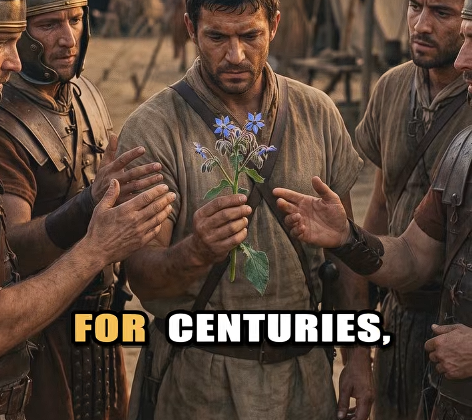
High in the Arctic mountains, Vikings sought out a plant they called 'Golden Root' to survive the brutal conditions of the North.Rhodiola rosea was their secret weapon for boosting physical endurance and mental clarity during long, cold voyages.We explore the history of this potent adaptogen, how it helped ancient populations manage stress and fatigue, and why modern science is only now catching up to what the Vikings knew centuries ago.We break down the mechanisms of how this root helps the body adapt to extreme environments.If you enjoy learning about ancient survival medicine, this one's for you.  If you enjoy learning about herbs, traditional remedies, and the science…
Read More
How Did Betony Become The Medieval Healer

How Did Betony Become The Medieval Healer

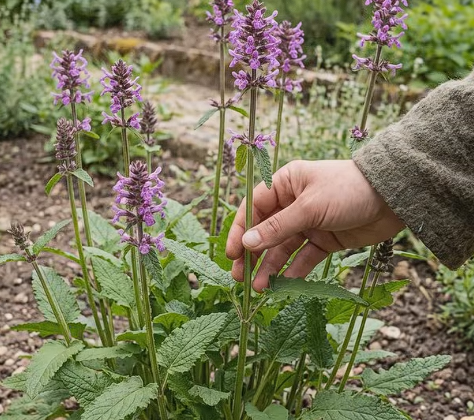
In the Middle Ages, there was one herb so trusted that people were told to sell their clothes just to afford it.Meet Wood Betony, the plant that was once considered the ultimate cure for every ailment imaginable.We dive into the history of medieval physic gardens where monks grew this plant as a primary defense against illness.From headaches to snakebites, discover why this humble herb held such a powerful place in the hearts and medicine chests of the past.Learn how cultural beliefs and traditional practices elevated a simple plant to the status of a magical 'heal-all.' It is a deep dive into how our ancestors perceived nature's role…
Read More
What Is The Secret Of Yellow Berberine

What Is The Secret Of Yellow Berberine

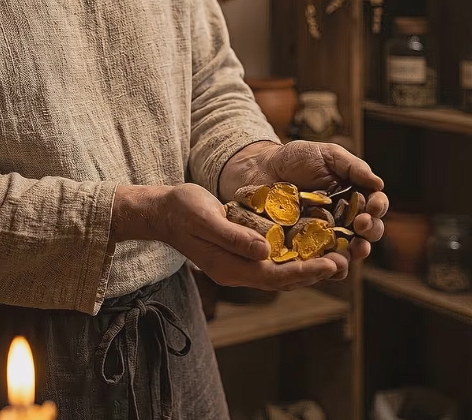
Why did ancient healers pick a bright yellow root to treat a liver problem?It wasn't just a guess. Discover the fascinating history of Barberry, a plant that was chosen for its color but validated by its chemistry.We explore the ancient 'Doctrine of Signatures,' the belief that nature left visual clues about how plants heal us.Learn how this intuition led people to discover berberine, the powerful compound in Barberry that is still studied for liver and metabolic health today.This is a story about how ancient observation and modern science sometimes point to the same truth.If you enjoy learning about the surprising links between ancient myths and modern medicine,…
Read More
Why Did Ancients Trust Teasel For Tendons

Why Did Ancients Trust Teasel For Tendons

Most people know the Teasel plant as a prickly tool used by weavers to fluff wool.But did you know it was once a prized secret for healing broken bones and damaged tendons?We uncover the dual life of this plant. Learn how its spiky, strong structure led ancient healers to believe it could 'knit' tissues back together, mirroring its use in the textile industry.It is a story of how our ancestors looked at the physical world to understand how to fix the body. Discover how a plant that helped make our clothes also helped mend our injuries.If you enjoy stories about how plants served multiple roles in ancient…
Read More
The History Of Lovage In Herbalism

The History Of Lovage In Herbalism

It was called 'love parsley,' but for medieval monks, it was a digestive lifesaver.Discover the history of Lovage, a plant that was a staple in every monastery garden across Europe.We explore why this herb was essential for surviving the heavy, grain-filled diets of the Middle Ages.Learn how monks cultivated and used this potent plant to manage everything from bloating to indigestion, making it one of the most important herbs in their daily medicine chest.See how a plant we now use for flavoring was once a critical tool for human comfort and health.If you enjoy learning about the practical side of medieval herbal medicine, this one's for you…
Read More
Can Foxglove Explain Digoxin Today

Can Foxglove Explain Digoxin Today

A purple flower from Shropshire helped change how doctors treated failing hearts.But its power came with a deadly warning: the wrong amount could harm the patient. This short follows William Withering and his 1775 study of foxglove, known to botanists as Digitalis purpurea.It shows how local healing knowledge, careful observation, and early medical science came together. You will see how foxglove led toward digitalis drugs and digoxin, while learning why dose and evidence matter in herbal medicine.If you enjoy the real history behind natural remedies, this story is for you.  If you enjoy learning about herbs, traditional remedies, and the science behind natural medicine, be sure to…
Read More
Can Echinacea Really Boost Immunity

Can Echinacea Really Boost Immunity

Echinacea is often sold as an immune helper today.Its older story is far more careful, and far more human. Several Great Plains communities used different Echinacea species for problems including tooth pain, sore throats, and snakebite.The short also follows the plant into 19th-century Eclectic medicine and German research in the 1930s.The evidence does not support every modern claim. That tension helps explain how traditional knowledge, commercial promises, and scientific testing can change a plant's meaning.If you enjoy honest herbal history, this one's for you.  If you enjoy learning about herbs, traditional remedies, and the science behind natural medicine, be sure to subscribe to The Herbalists Compendium. New videos…
Read More
What Did Bundjalung Healers Know About Tea Tree Oil

What Did Bundjalung Healers Know About Tea Tree Oil

Tea tree oil is now found in many skin products, but its story began with an Australian plant and deep local knowledge.The video introduces Melaleuca alternifolia, Bundjalung healing practices, and Arthur Penfold's 1920s tests of the oil's germ-killing action. It also follows the oil's rise among Australian workers and soldiers.The science is useful, but the safety limits matter too. Concentrated tea tree oil can harm people when misused, especially if swallowed.If you enjoy natural remedies with real history and clear facts, this short is for you.  If you enjoy learning about herbs, traditional remedies, and the science behind natural medicine, be sure to subscribe to The Herbalists Compendium.…
Read More
Why Did Persia Prize Pomegranate Peel

Why Did Persia Prize Pomegranate Peel

Ancient healers did not waste the pomegranate peel.In Persia and the Mediterranean, the tough rind had its own place in medicine.This short follows the fruit into Greek medical writing, including Dioscorides in the first century. It explains why doctors used the peel and flowers, and how tannins may help explain some of their observations.Modern laboratory research is not the same as proof in people, so the old remedy deserves both respect and caution.If you enjoy the hidden history of everyday plants, this one's for you.  If you enjoy learning about herbs, traditional remedies, and the science behind natural medicine, be sure to subscribe to The Herbalists Compendium. New…
Read More
Why Did India Trust Neem for Skin and Crops

Why Did India Trust Neem for Skin and Crops

Neem is more than a bitter tree.In India, it has shaped skin care, farming, and daily life for generations.The story follows neem knowledge from Ayurvedic practice and village use to azadirachtin, the compound that helps control insects. It then reaches the European Patent Office, where an Indian-led challenge helped overturn a neem-based patent in 2000.This is a story about science, traditional knowledge, and who gets credit when an old remedy becomes a modern product.If you enjoy the human side of herbal medicine and natural farming, this short is for you.  If you enjoy learning about herbs, traditional remedies, and the science behind natural medicine, be sure to…
Read More