Why Is Lobelia Called Asthma Weed

Why Is Lobelia Called Asthma Weed

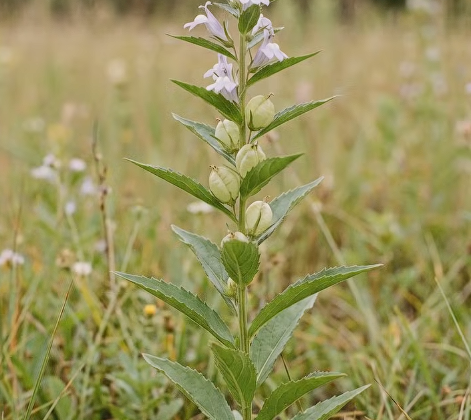
It was once so famous for helping people breathe that it earned a blunt nickname: Asthma Weed. But Lobelia’s history is far more complicated than a simple cure.We explore the story of Lobelia, a plant that divided early medical communities. Learn how 19th-century herbalists used it to treat lung issues and why its powerful compounds made it one of the most controversial plants of its time.See how early healers navigated the risks and rewards of nature's potent pharmacy. If you enjoy the history of herbal medicine and the stories behind famous remedies, this one's for you.  If you enjoy learning about herbs, traditional remedies, and the science…
Read More
Why Was Angelica Known As The Plague Root

Why Was Angelica Known As The Plague Root

Long before modern medicine, people turned to the 'Archangel Root' to ward off sickness. Angelica wasn't just a plant; it was a symbol of protection during some of history's darkest times. We explore the story of Angelica, a root that became legendary during the Bubonic Plague.Discover why it was named after an archangel, how people used its scent to fight 'bad air,' and why this plant holds such a unique place in history.Learn about the intersection of fear, faith, and botany. If you enjoy learning about the history of natural remedies and the plants that shaped human culture, this one's for you.  If you enjoy learning about…
Read More
How Did Hops Cure Insomnia

How Did Hops Cure Insomnia

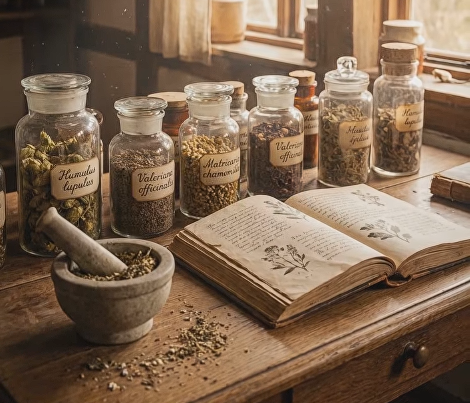
For centuries, herbalists and common folk stuffed pillows with dried hop flowers to induce deep, restful sleep.The secret lies in the plant's resin, known as lupulin, which contains natural sedative compounds that have been used to calm the nervous system long before modern sleep aids existed.While we know hops today primarily as a bittering agent in beer, their historical journey as a botanical sedative reveals a time when nature was the primary remedy for restlessness.We explore the science of lupulin, the tradition of the 'hop pillow,' and how this simple plant became a staple of ancient household medicine.If you enjoy learning about the hidden history of common…
Read More
What Makes Soapwort a Natural Detergent

What Makes Soapwort a Natural Detergent

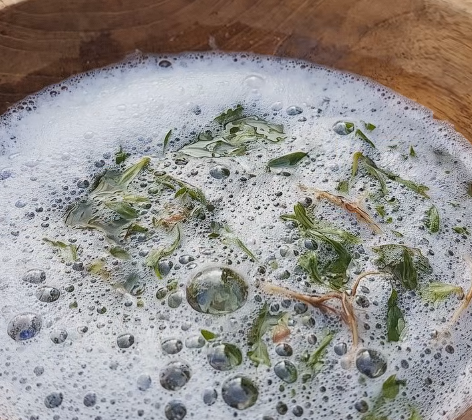
Deep in the history of human hygiene, one plant stood out for its ability to create a thick, soapy lather.Known as Soapwort, this unassuming flower was the secret behind the cleanliness of ancient Romans and medieval monks alike. Discover the botanical secret that allowed this plant to act as a natural detergent for centuries.We will explore how the plant's chemical compounds work to lift dirt and oils, and why it was a staple in households before modern soap existed. Learn about the fascinating intersection of botany and daily chores.If you enjoy learning about the history of natural remedies and ancient daily life, this one's for you.  If…
Read More
Why Did Herbalists Trust Eyebright

Why Did Herbalists Trust Eyebright

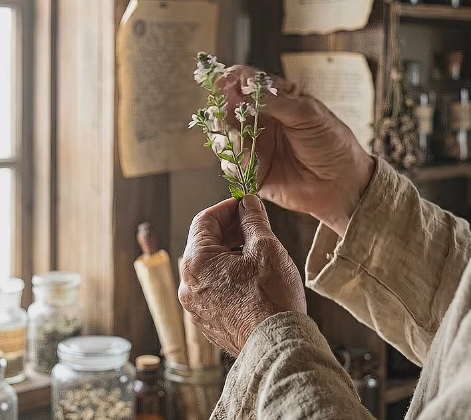
Ancient herbalists relied on the 'Doctrine of Signatures,' a belief that plants revealed their purpose through their appearance.Because the delicate Eyebright flower looks like a tiny human eye, it was considered the ultimate remedy for vision problems. Discover the history behind this fascinating medical philosophy and how it shaped the way we used plants for centuries.We will explore the logic that guided ancient healers and look at the botanical reality of the plant itself. Learn about why this belief system was so powerful and how it persists in the history of medicine.If you enjoy learning about the history of herbal medicine and ancient beliefs, this one's for…
Read More
Why Did Doctors Use Autumn Crocus for Gout

Why Did Doctors Use Autumn Crocus for Gout

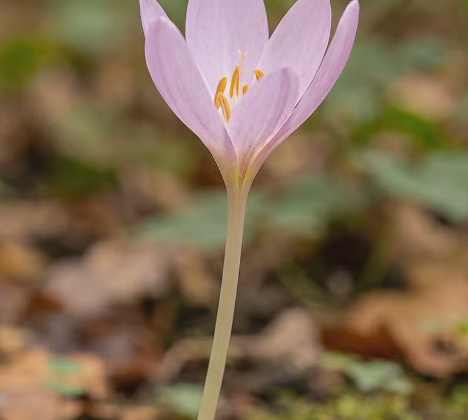
The autumn crocus is beautiful, poisonous, and tied to a long history of gout care.In 1763, Austrian doctor Anton von Störck published work on using Colchicum as medicine.Later, researchers identified colchicine, a substance that remains important in gout treatment.The plant’s history shows why a remedy’s amount and preparation matter. A plant used in medicine can also be dangerous, so this is a history story, not advice for self-treatment.If you enjoy the surprising past of familiar plants and modern medicine, this one is for you.  If you enjoy learning about herbs, traditional remedies, and the science behind natural medicine, be sure to subscribe to The Herbalists Compendium. New videos…
Read More
How Did Primrose Oil Change Ancient Healing

How Did Primrose Oil Change Ancient Healing

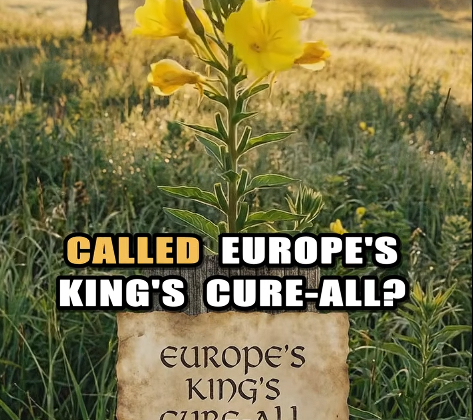
Long before modern supplements, Evening Primrose was known across Europe as the King's Cure-All.This golden wildflower traveled from the Americas to become a staple in 17th-century medicine cabinets. Discover the history behind this legendary remedy and how it bridged the gap between folklore and modern science.We will look at how ancient healers used the plant for internal and external healing, and why it earned such a prestigious reputation. Learn about the science hidden within its seeds and how this plant eventually became a staple in natural health.If you enjoy learning about the history of herbal medicine and how ancient plants shaped our health today, this one's for…
Read More
Why Did Monks Value Sweet Woodruff

Why Did Monks Value Sweet Woodruff

In the Middle Ages, the scent of fresh hay wafting through a home usually meant one thing: Sweet Woodruff.This small, star-leaved plant was more than just a garden filler; it was a sacred tool for freshening rooms and flavoring traditional May wine. Discover the history of this fragrant herb and why it was so highly valued by monks and herbalists.We will dive into the chemistry of its scent, known as coumarin, and how it shaped the sensory experiences of people living centuries ago.Learn about the plant's journey from church floors to the fermentation vat. If you enjoy learning about the history of aromatic herbs and ancient traditions,…
Read More
How Did Parsley Become A Symbol Of Death

How Did Parsley Become A Symbol Of Death

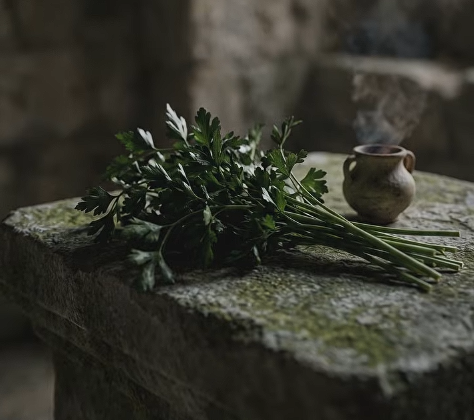
Parsley is a kitchen staple today, but to the ancient Greeks, it held a much darker and more sacred meaning.Discover why this humble herb was used in funerals and athletic victories alike.Explore the fascinating connection between Parsley, Greek mythology, and the rituals of the dead. This video dives into the dual nature of one of history's most overlooked plants.If you enjoy ancient history and the hidden meanings of common plants, this one's for you.  If you enjoy learning about herbs, traditional remedies, and the science behind natural medicine, be sure to subscribe to The Herbalists Compendium. New videos explore medicinal plants, herbal preparations, historical remedies, and evidence-based information…
Read More
How Did Milk Thistle Become A Liver Legend

How Did Milk Thistle Become A Liver Legend

Did the Romans really know the secrets of the liver?Explore the history of Milk Thistle, a plant that has been trusted for its protective power since ancient times.We look at the work of Pliny the Elder and how this spiky plant became a legend in Mediterranean herbalism. Discover how science is now catching up to what the ancients practiced for centuries.If you enjoy deep dives into the history of medicinal plants, this one is for you.  If you enjoy learning about herbs, traditional remedies, and the science behind natural medicine, be sure to subscribe to The Herbalists Compendium. New videos explore medicinal plants, herbal preparations, historical remedies, and…
Read More